Archives
- 2026-10
- 2026-09
- 2026-08
- 2026-07
- 2026-06
- 2026-05
- 2026-04
- 2026-03
- 2026-02
- 2026-01
- 2025-12
- 2025-11
- 2025-10
- 2025-09
- 2025-03
- 2025-02
- 2025-01
- 2024-12
- 2024-11
- 2024-10
- 2024-09
- 2024-08
- 2024-07
- 2024-06
- 2024-05
- 2024-04
- 2024-03
- 2024-02
- 2024-01
- 2023-12
- 2023-11
- 2023-10
- 2023-09
- 2023-08
- 2023-07
- 2023-06
- 2023-05
- 2023-04
- 2023-03
- 2023-02
- 2023-01
- 2022-12
- 2022-11
- 2022-10
- 2022-09
- 2022-08
- 2022-07
- 2022-06
- 2022-05
- 2022-04
- 2022-03
- 2022-02
- 2022-01
-
The amino hydroxy methyl isoxazolepropionic
2022-04-12
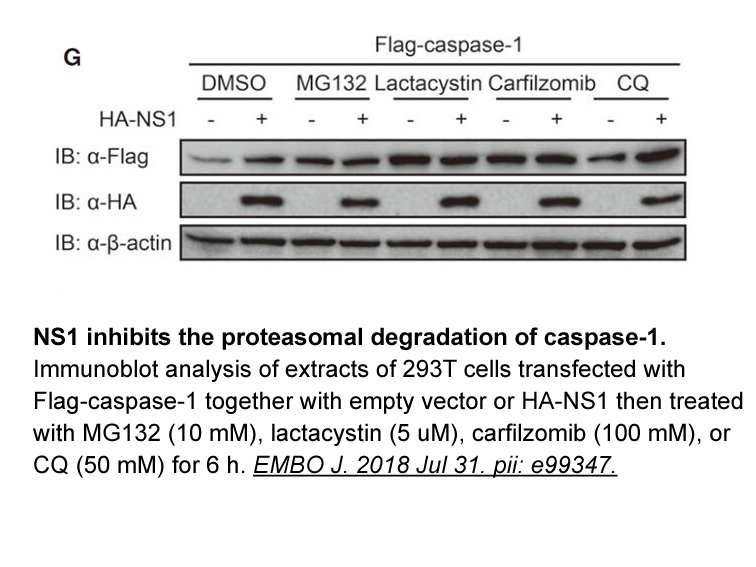
The α-amino-3-hydroxy-5-methyl-4-isoxazolepropionic EGTA (AMPA) receptors are related ionotropic glutamate receptors (iGluRs) that mediate fast excitatory neurotransmission, and are also typically heteromeric ion channels, composed of GluA2 subunits in conjugation with GluA1, GluA3, or GluA4 subuni
-
In order to consolidate our genetic funding
2022-04-12
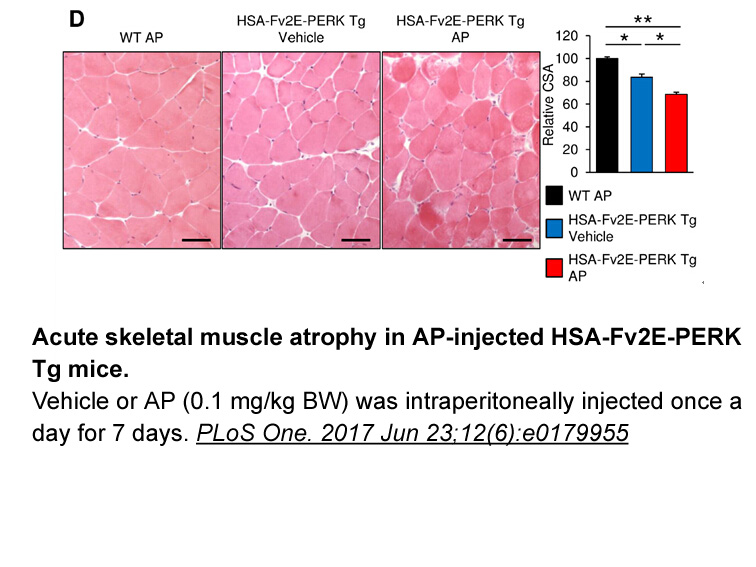
In order to consolidate our genetic funding, we performed several in silico analysis regarding the p.R85W mutation. The high conservation of R85 residue in all species suggests that it has an important role in glucokinase function. Pathogenic effect of the p.R85W is supported by in silico prediction
-
Receptors for glucagon Gcgr GLP Glp r
2022-04-12

Receptors for glucagon (Gcgr), GLP-1 (Glp1r), and GLP-2 (Glp2r) are G-protein coupled receptors (GPCRs) belonging to class B-1 (secretin receptor-like) family of GPCRs (Harmar, 2001, Fredriksson et al., 2003). The mammalian Gcgr, Glp1r, and Glp2r genes, together with the CHC for the receptors for tw
-
Gli signaling pathways play critical
2022-04-12
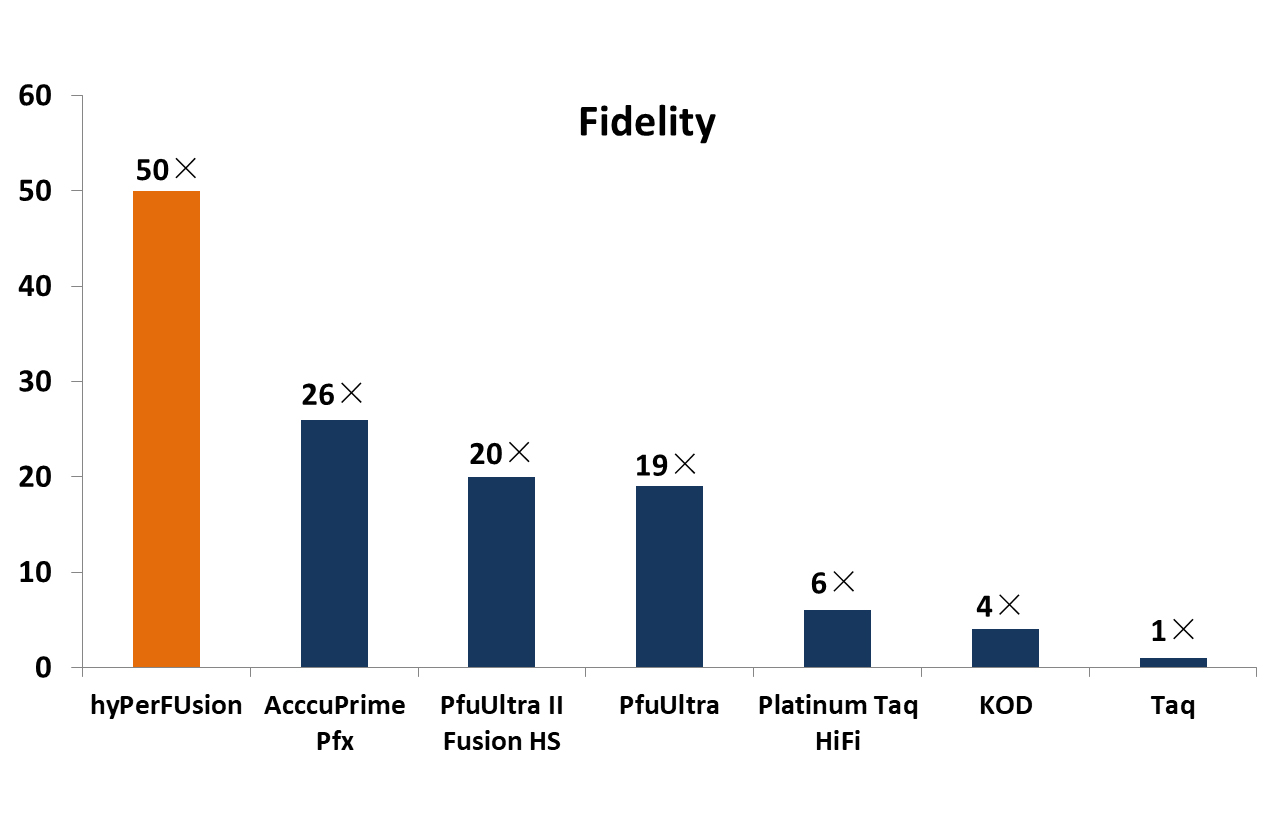
Gli signaling pathways play critical roles in embryonic and postnatal lung development [22]. Many reports suggest that wound healing and fibrotic diseases involve activation of pathways used during development [23]. In the adult lung, Gli signaling activity measured by Gli1 expression is restricted
-
Gap junction intercellular communication GJIC
2022-04-12
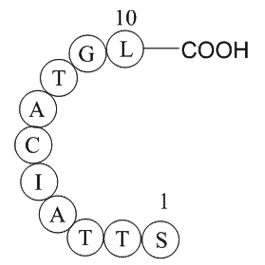
Gap junction intercellular communication (GJIC) facilitates the exchange of ions, metabolites, Ca2+, inositol phosphates, and/or cyclic nucleotides of up to 1.8 kD in size between Tedizolid through contact-dependent mechanisms [3,4]. Oocyte growth and development (as depicted in Fig. 1) depends, at
-
A common feature of ferroptosis is the iron
2022-04-11
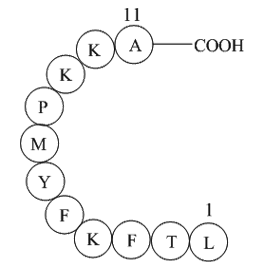
A common feature of ferroptosis is the iron-dependent accumulation of lipid-ROS and the subsequent depletion of polyunsaturated fatty fruquintinib phospholipids (PUFA-PLs) [118]. The PUFA chains of membrane lipids are more susceptible to both enzymatic and non-enzymatic oxidation, which results in
-
About of human primary melanomas
2022-04-11
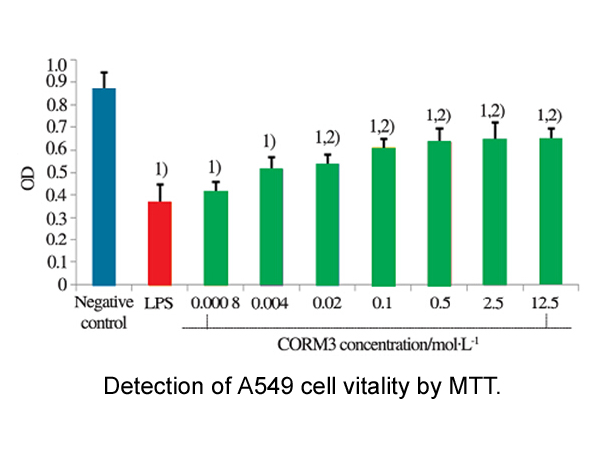
About 67% of human primary melanomas and 56% of melanoma metastases display cytoplasmic or nuclear β-catenin accumulation (Xue et al., 2016). Of note, active β-catenin stimulates emergence of metastasizing melanoma in mice harboring BrafV600E or NrasQ61K hyperplasia (Damsky et al., 2011, Delmas et a
-
br Results and Discussion The
2022-04-11
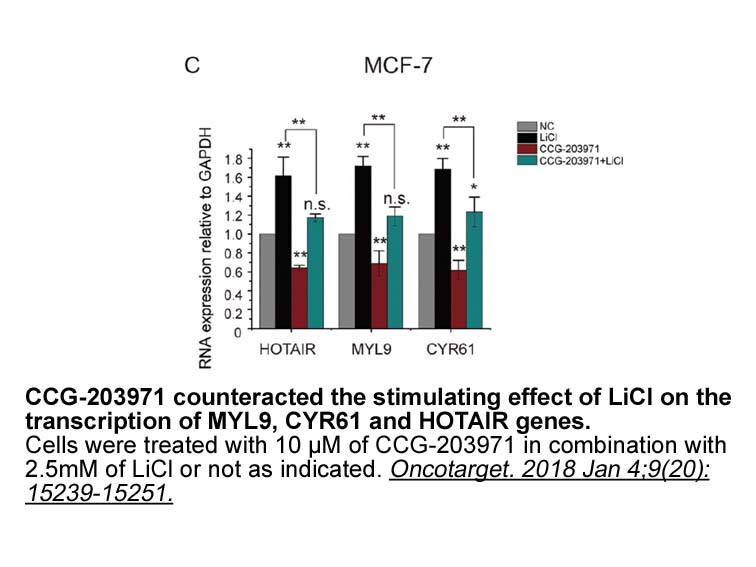
Results and Discussion The Set7 sequence is homologous to the other identified histone methyltransferases in S. pombe (Figure S1) and also shares similarity with human HMTases, H3K9 GLP/Ga9, and H4K20 SUV420H1 (Figure S1). Set7 fused with the GFP (Set7-GFP) localized in the nucleus and cytoplasm
-
Signaling pathways such as BMP
2022-04-11
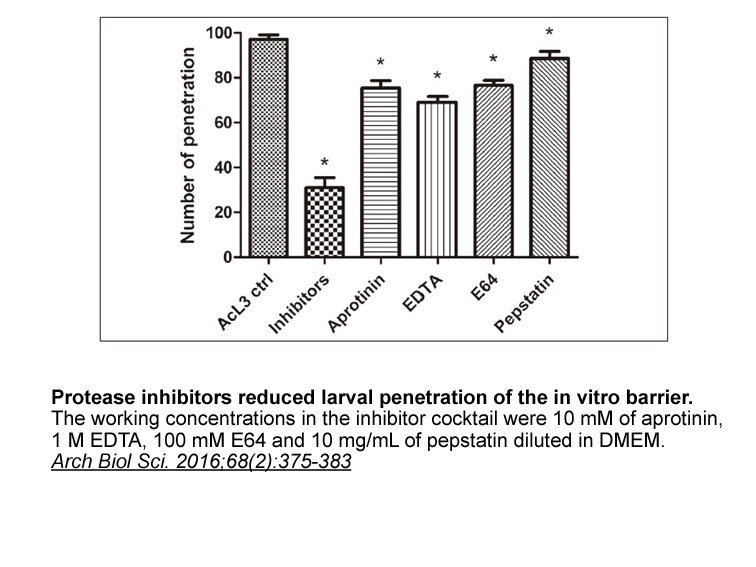
Signaling pathways such as BMP, FGF, and WNT are strongly involved in the process of endochondral ossification and Meckel's cartilage development [20]. Interestingly, absence of BMP antagonist, Noggin, in Meckel's cartilage, resulted in a phenotype, very similar to that of Setdb1 CKO [16]. To examin
-
Acetylation of histones by histone acetyltransferases stimul
2022-04-11

Acetylation of histones by histone acetyltransferases stimulates gene expression by relaxing SB 225002 synthesis structure, allowing access of transcription factors to DNA, whereas deacetylation of histones by histone deacetylases promotes chromatin condensation and transcriptional repression. Rece
-
According to previous methods several mobile phase compositi
2022-04-11
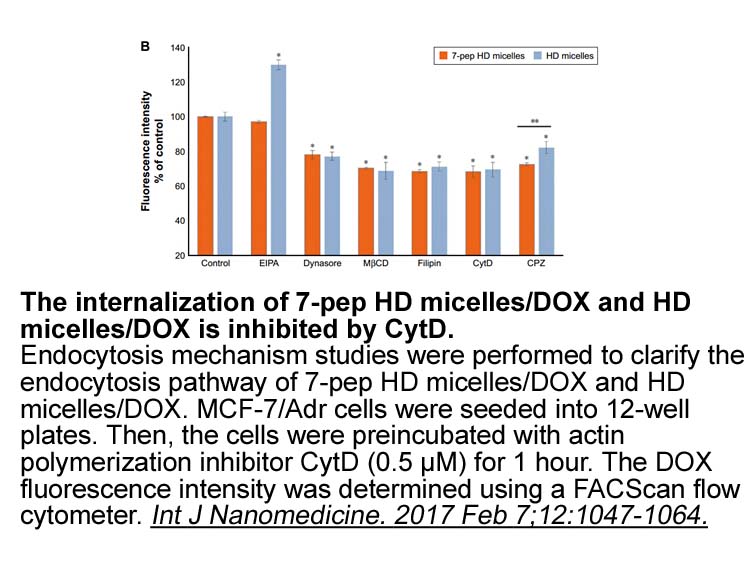
According to previous methods, several mobile phase compositions and gradient programmes were assayed to get the best resolved peaks for HA and MHA [12], [13], [24]. Considering the slightly structural differences of the analytes, a mobile phase consisting in two eluents of different polarity and pH
-
The obtained sequence was deposited in GenBank under
2022-04-11
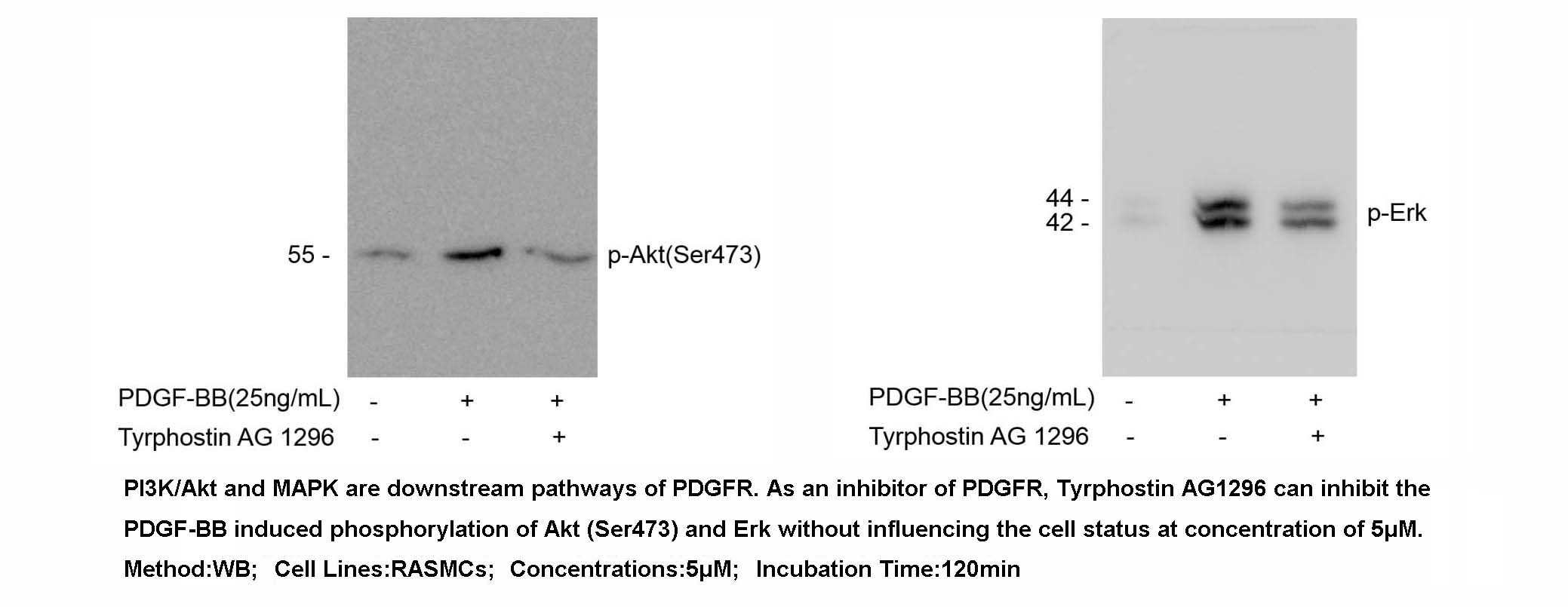
The obtained sequence was deposited in GenBank under accession number MG703576; it showed a 99% identify with sample HE817764, reported as Demodex cornei, and with JF784000, reported as D. canis. Molecular and phylogenetic analyses and the morphological characteristics helped to rule out D. cornei.
-
Niacin nicotinic acid is widely used
2022-04-11
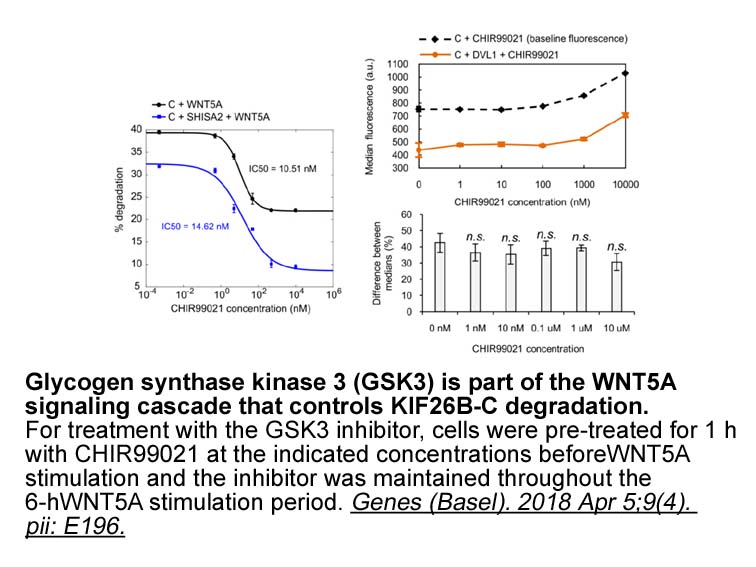
Niacin (nicotinic acid) is widely used to regulate abnormalities in plasma lipid and lipoprotein metabolism, as evidenced by its potential for reducing atherosclerotic cardiovascular disease risks (Guyton, 1998), due to its ability to reduce circulating triglycerides and apolipoprotein-B containing
-
vx 20 The combination of niacin with a selective PGD recepto
2022-04-11
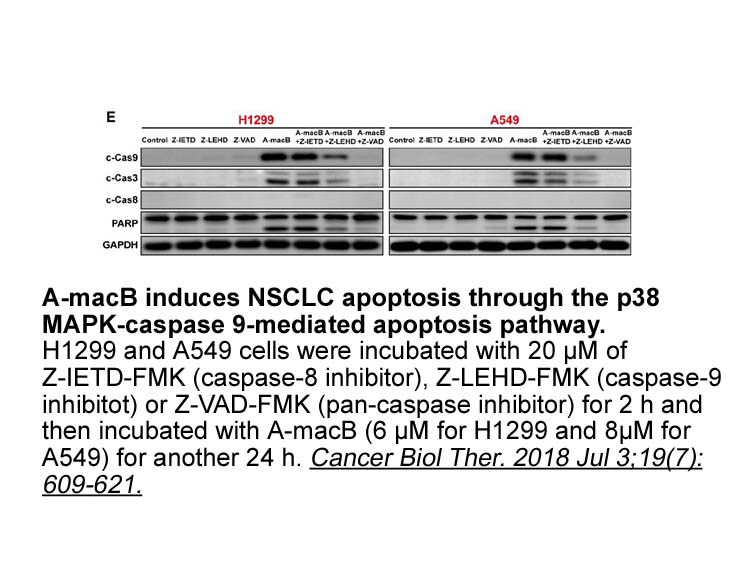
The combination of niacin with a selective PGD2 receptor antagonist laropiprant, designed to circumvent the flushing side effect of niacin, has been evaluated in the HPS2-THRIVE study and showed no clinically meaningful benefit when administered in patients on top of statin therapy [41]. Our data su
-
adenosine kinase The differential tissue and ligand dependen
2022-04-11
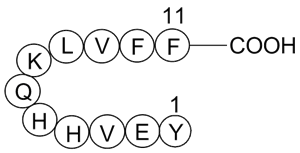
The differential tissue- and ligand-dependent signaling described here has important implications for the therapeutic potential of synthetic GPR109A agonists for the treatment of atherosclerosis. The failure of MK-0354, a biased, partial GPR109A agonist, to activate signaling pathways upstream of va
8567 records 510/572 page Previous Next First page 上5页 506507508509510 下5页 Last page