Archives
- 2026-04
- 2026-03
- 2026-02
- 2026-01
- 2025-12
- 2025-11
- 2025-10
- 2025-09
- 2025-03
- 2025-02
- 2025-01
- 2024-12
- 2024-11
- 2024-10
- 2024-09
- 2024-08
- 2024-07
- 2024-06
- 2024-05
- 2024-04
- 2024-03
- 2024-02
- 2024-01
- 2023-12
- 2023-11
- 2023-10
- 2023-09
- 2023-08
- 2023-07
- 2023-06
- 2023-05
- 2023-04
- 2023-03
- 2023-02
- 2023-01
- 2022-12
- 2022-11
- 2022-10
- 2022-09
- 2022-08
- 2022-07
- 2022-06
- 2022-05
- 2022-04
- 2022-03
- 2022-02
- 2022-01
- 2021-12
- 2021-11
- 2021-10
- 2021-09
- 2021-08
- 2021-07
- 2021-06
- 2021-05
- 2021-04
- 2021-03
- 2021-02
- 2021-01
- 2020-12
- 2020-11
- 2020-10
- 2020-09
- 2020-08
- 2020-07
- 2020-06
- 2020-05
- 2020-04
- 2020-03
- 2020-02
- 2020-01
- 2019-12
- 2019-11
- 2019-10
- 2019-09
- 2019-08
- 2019-07
- 2019-06
- 2019-05
- 2019-04
- 2018-11
- 2018-10
- 2018-07
-
br Materials and methods br Results br Discussion br
2024-08-29
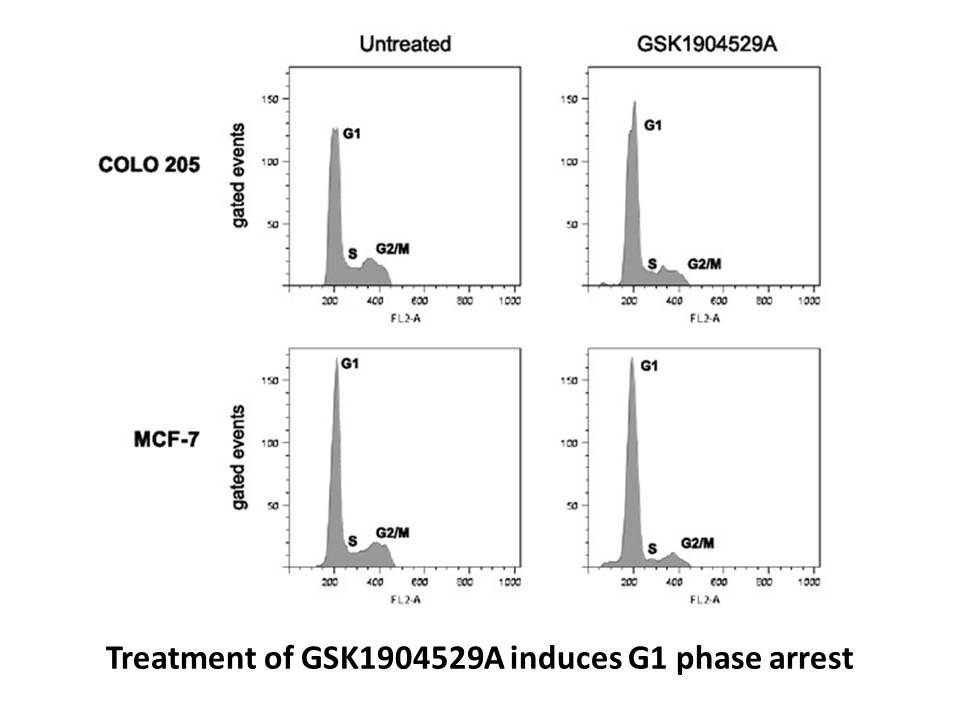
Materials and methods Results Discussion Competing financial interests Acknowledgements The work was partially supported by grants from the National Natural Science Foundation of China (Grant no. 31530053 and 31401424) and National Science and Technology Support Plan (Grant no. 2013BA
-
br Experimental br Acknowledgment br Introduction The
2024-08-29
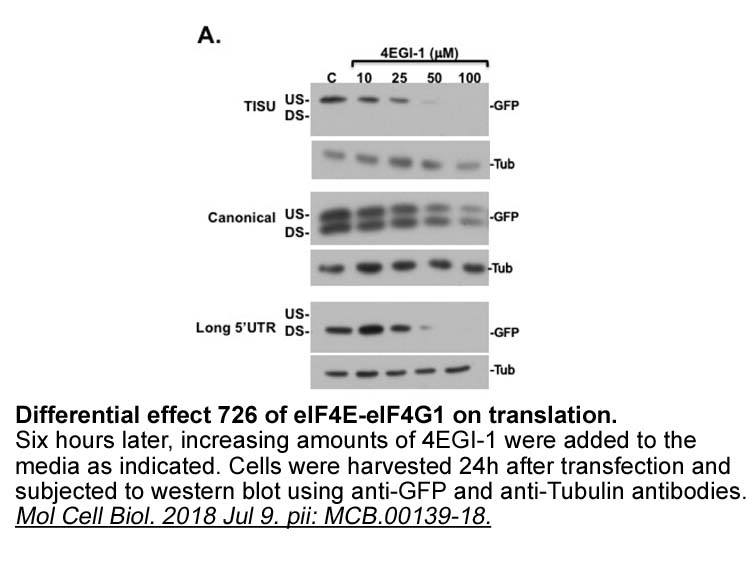
Experimental Acknowledgment Introduction The NADPH-dependent reduction of d-glucose catalyzed by aldose reductase (E.C.1.1.1.21) (AR) is considered as one of the phenomena leading to the onset of long term diabetic complications [as review see: [1], [2]. In fact, the reduction of the sugar,
-
It is well known that TCDD is
2024-08-29
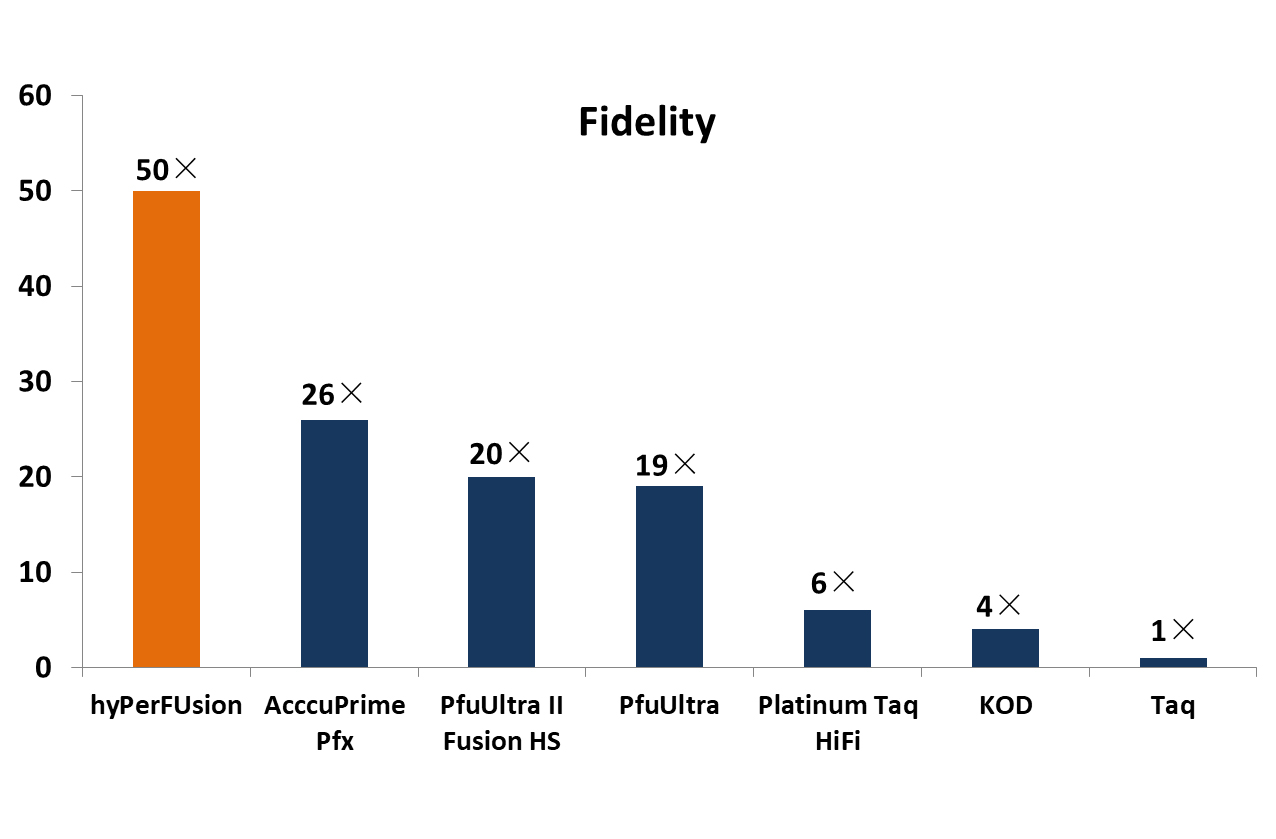
It is well-known that TCDD is the most potent ligand of AhR and it regulates gene expression, such as CYP1A1, via activation of AhR (Mimura and Fujii-Kuriyama, 2003). Besides Tomblin et al. (2016) have recently shown that TCDD via AhR regulated L-type amino OSMI-1 mg transporter 1 expression in MCF-
-
The rank order of agonist potency in
2024-08-29

The rank order of agonist potency in turkey cardiac chambers demonstrated the predominant presence of the β-adrenergic receptor subtype, in line with the receptor classification by . However, a previous radioligand binding study in the left ventricles of 7-week old turkeys reported the existence of
-
br Results br Discussion To achieve quantitative
2024-08-28
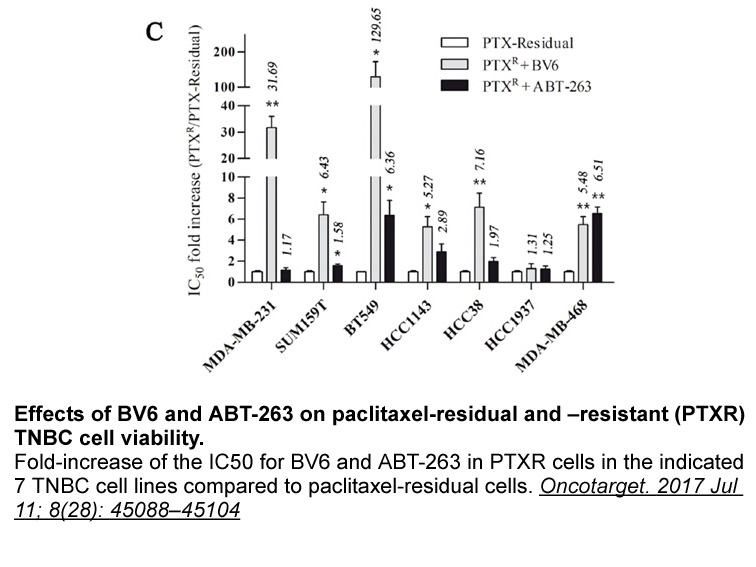
Results Discussion To achieve quantitative understanding of 2-Cl-IB-MECA australia turnover, we utilize rapidly moving lamellipodial fragments that are geometrically simple, structurally homogeneous, and persistent, and measure relevant rates and concentrations in this system. We find that th
-
Serum soluble sCD is a shedding product from
2024-08-28
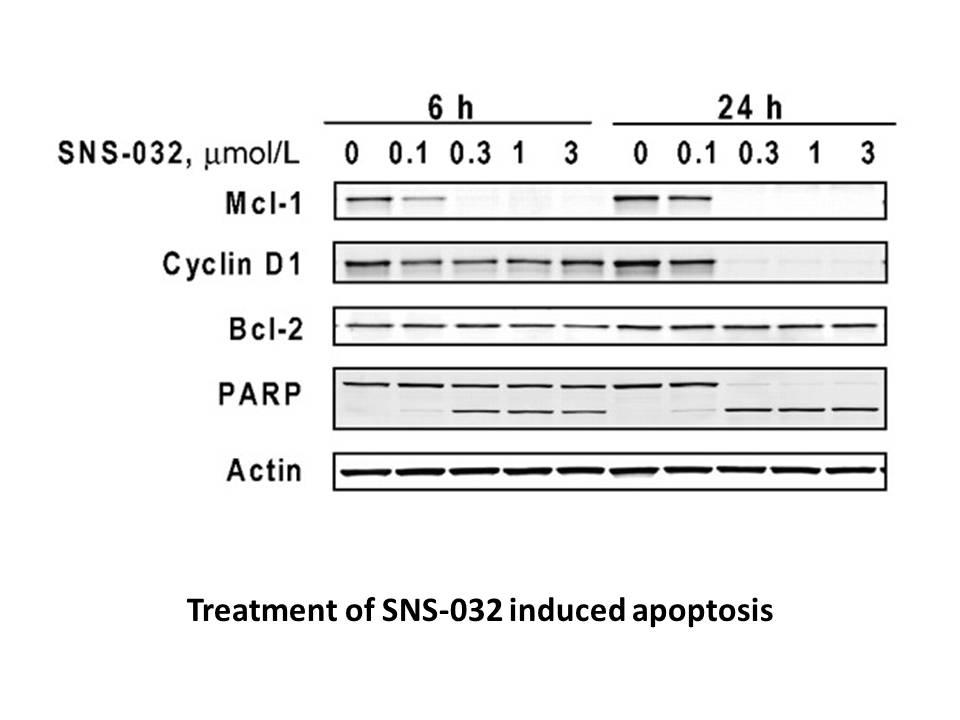
Serum soluble sCD21 is a shedding product from the ectodomain of membrane CD21 after B cell activation (Masilamani et al., 2003, Masilamani et al., 2004a, Masilamani et al., 2004b, Grottenthaler et al., 2006, Hoefer et al., 2008), which resembles the ligand-binding capacity of intact CD21 (Wu et al.
-
Apoptosis or programmed cell death is a function of biochemi
2024-08-28
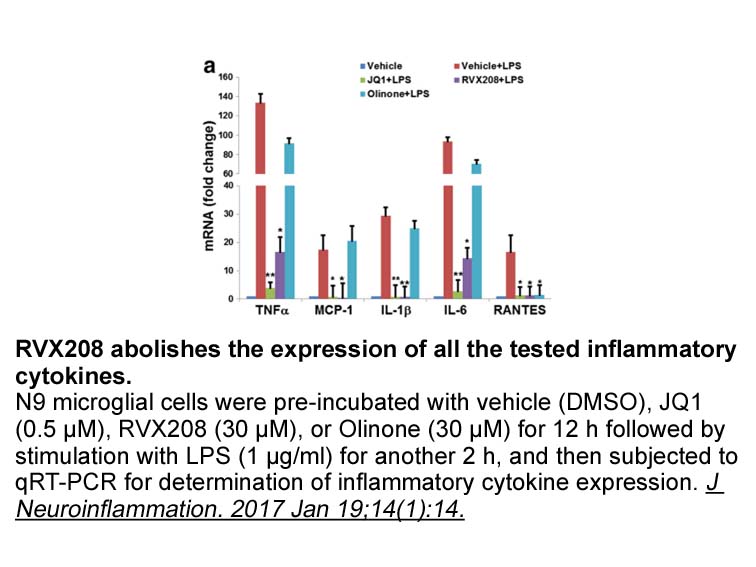
Apoptosis or programmed cell death is a function of biochemical mechanisms, which are energy-dependent. It is considered to be a vital component of many processes such as normal cell cycle, immune mechanism, atrophy, embryonic development and toxin-induced cell death (Elmore, 2007). In addition, apo
-
Osteoblasts have been thought to be the major cell type
2024-08-28
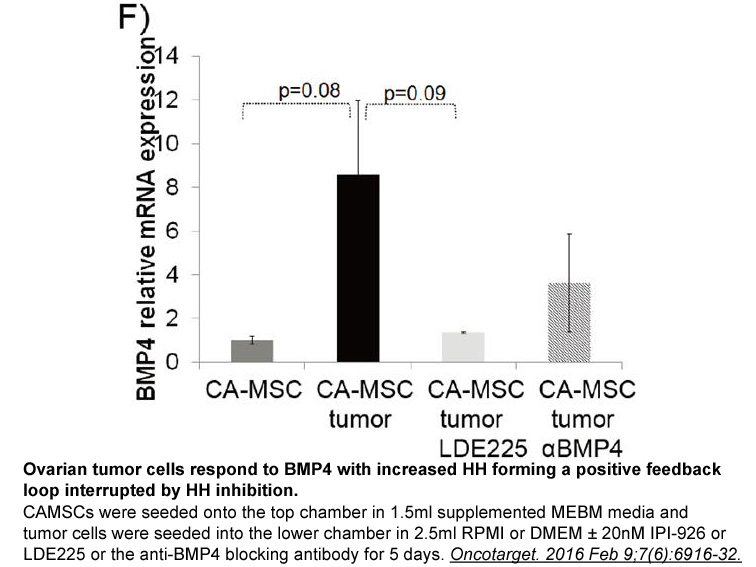
Osteoblasts have been thought to be the major cell type that expresses RANKL (Suda et al., 1999) which is a ligand for osteoprotegerin (OPG) and which functions as a key factor for osteoclast differentiation and activation. Recently, Nakashima and his colleagues (Nakashima et al., 2011) demonstrated
-
Previously we reported that EL Kras mice fed diets rich
2024-08-28
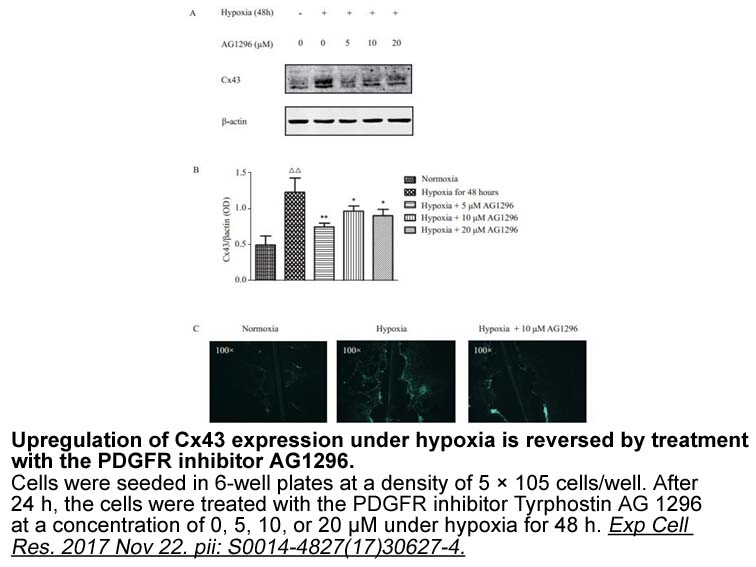
Previously, we reported that EL-Kras mice-fed diets rich in omega-6 FAs demonstrated increased pancreatic mast cell infiltration [16]. Significantly, increased infiltration of mast cells into the tumor microenvironment correlates with a poor prognosis [15]. Soucek et al.[25] demonstrated that mast c
-
A variety of quinazoline or fused pyrimidine
2024-08-28
A variety of quinazoline or fused pyrimidine-substituted diaminotriazoles showed sub-100nM inhibition of Axl (). Diaminotriazoles similarly substituted with quinolines, isoquinolines and benzothiazoles also showed potent Axl activity (data not shown), but generally exhibited potent cytotoxicity and
-
br Acknowledgements This work was supported by the FedEx Ins
2024-08-28
Acknowledgements This work was supported by the FedEx Institute of Technology at The University of Memphis (to DLB and ALP), NSF REU CHE 1156738 (to ALP in support of RSS), and NIHCA921060 (to GT). This material is based upon work supported by the National Science Foundation under Grant No. CHE-1
-
For these reasons the role played by autophagy in environmen
2024-08-28
For these reasons, the role played by autophagy in environmental neurotoxicity is not always easily determinable. Indeed, although the neuroprotective role of autophagy has been shown by several studies, sometimes induction of autophagy was associate with deleterious effects (Glick et al., 2010, Sri
-
br Viral manipulation of host factors to oppose anti
2024-08-28
Viral manipulation of host factors to oppose anti-viral autophagy To escape or manipulate autophagy, some viruses developed strategies that are based on the recruitment of host-cell endogenous factors. The non-enveloped double-stranded DNA virus adenovirus is rapidly endocytosed after attachment.
-
Because ASK signaling in microglia and astrocytes
2024-08-28
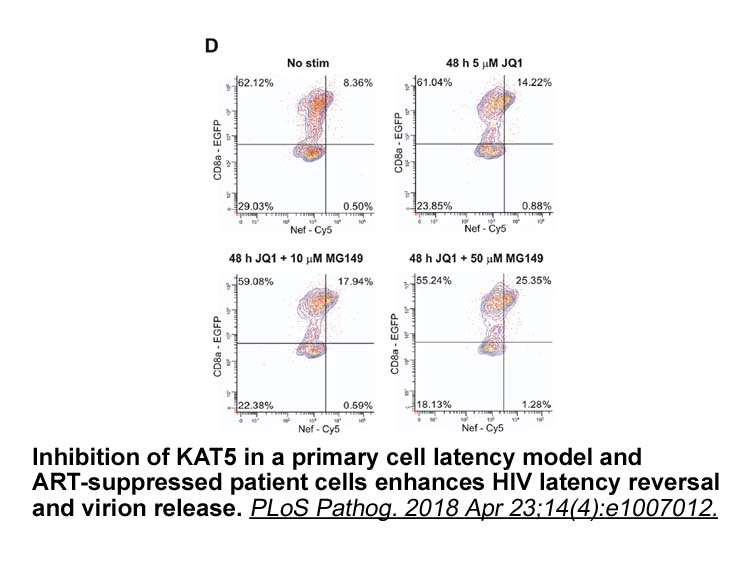
Because ASK1 signaling in microglia and astrocytes is important during EAE, we hypothesized that a combination therapy that targets T cells along with microglia and astrocytes would further ameliorate the severity of EAE. We tested this hypothesis by applying valproic CD 2665 (VPA)—a short-chain fa
-
Studies have demonstrated that AT plays a greater role
2024-08-28
Studies have demonstrated that AT2 plays a greater role in modulating arterial pressure in females than in males. Chronic low-dose infusion of Ang II decreased blood pressure in female rats at a dose that had negligible effects in males. Furthermore, AT2 blockade eliminates the depressor response to
16551 records 100/1104 page Previous Next First page 上5页 96979899100 下5页 Last page